100 years of HEMA at the Museum van de 20e Eeuw
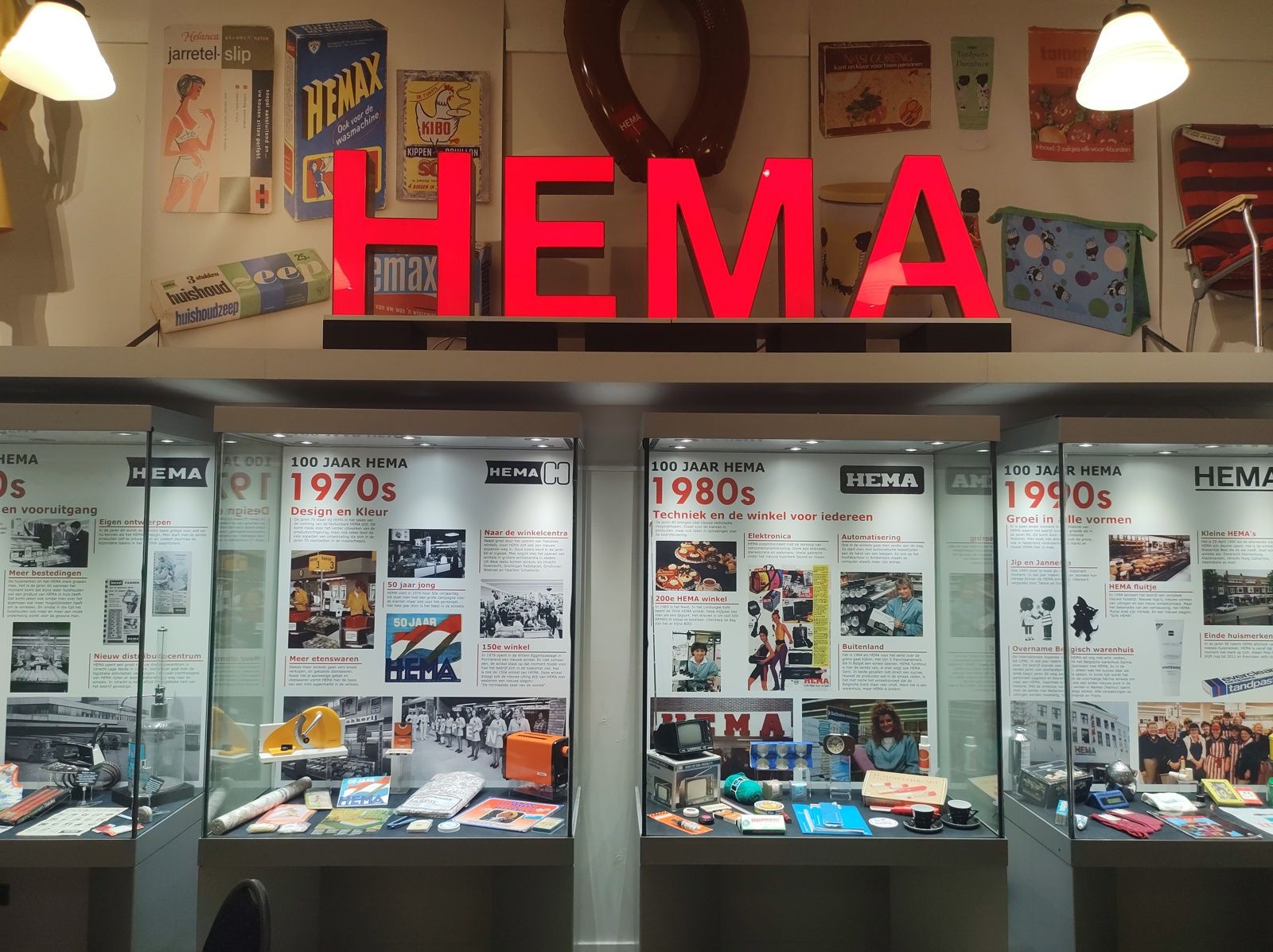
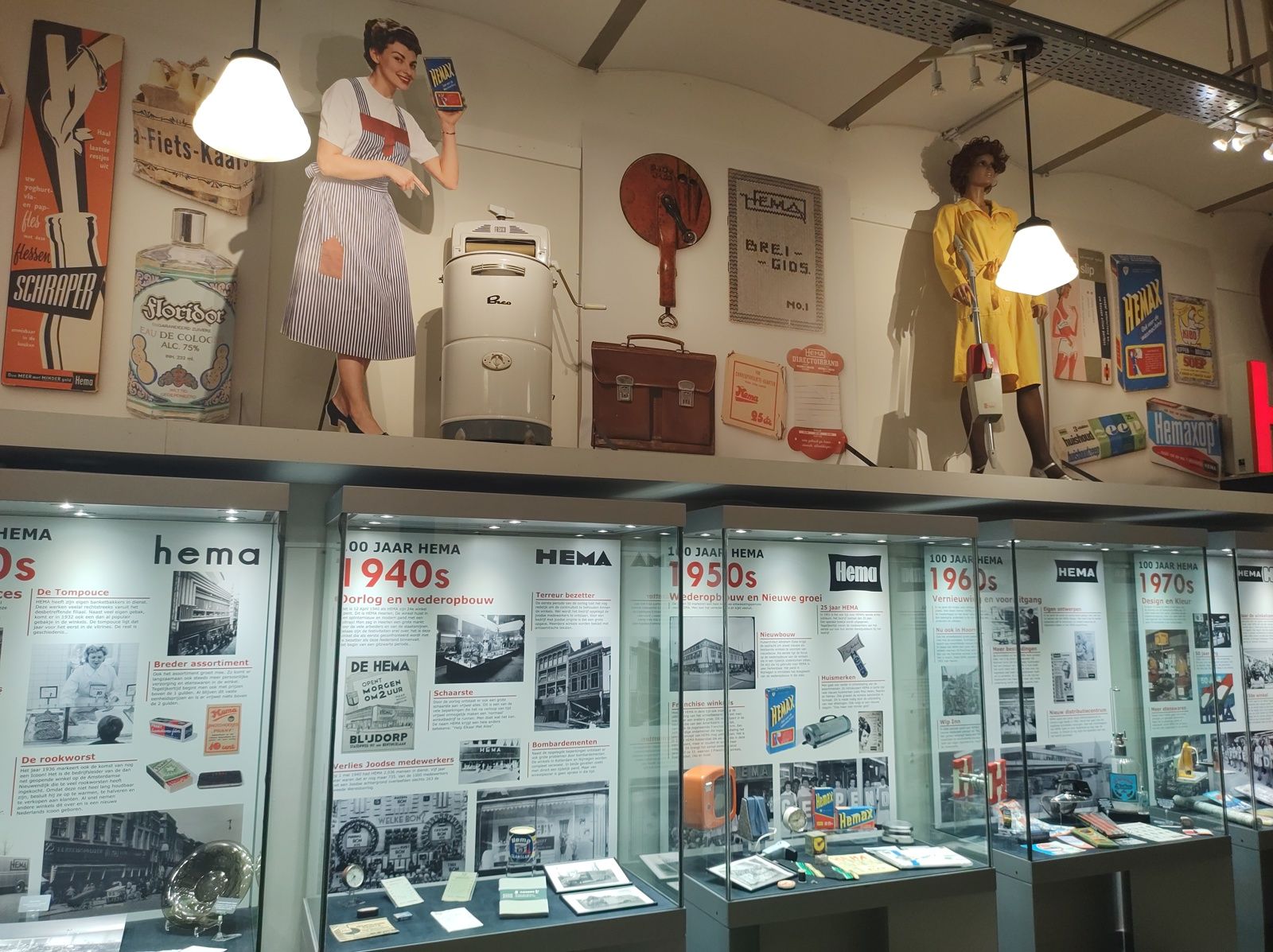
Hoorn – A smoked sausage, a pink tompouce (a Dutch custard slice), school supplies, towels, underwear, crockery, toys and, of course, Jip & Janneke. Almost every Dutch person has memories of HEMA. In 2026 this quintessentially Dutch department store turns 100. The Museum van de 20e Eeuw in Hoorn is celebrating the anniversary with the exhibition “100 jaar HEMA” (100 Years of HEMA), on show from 1 October 2026 to 4 April 2027.
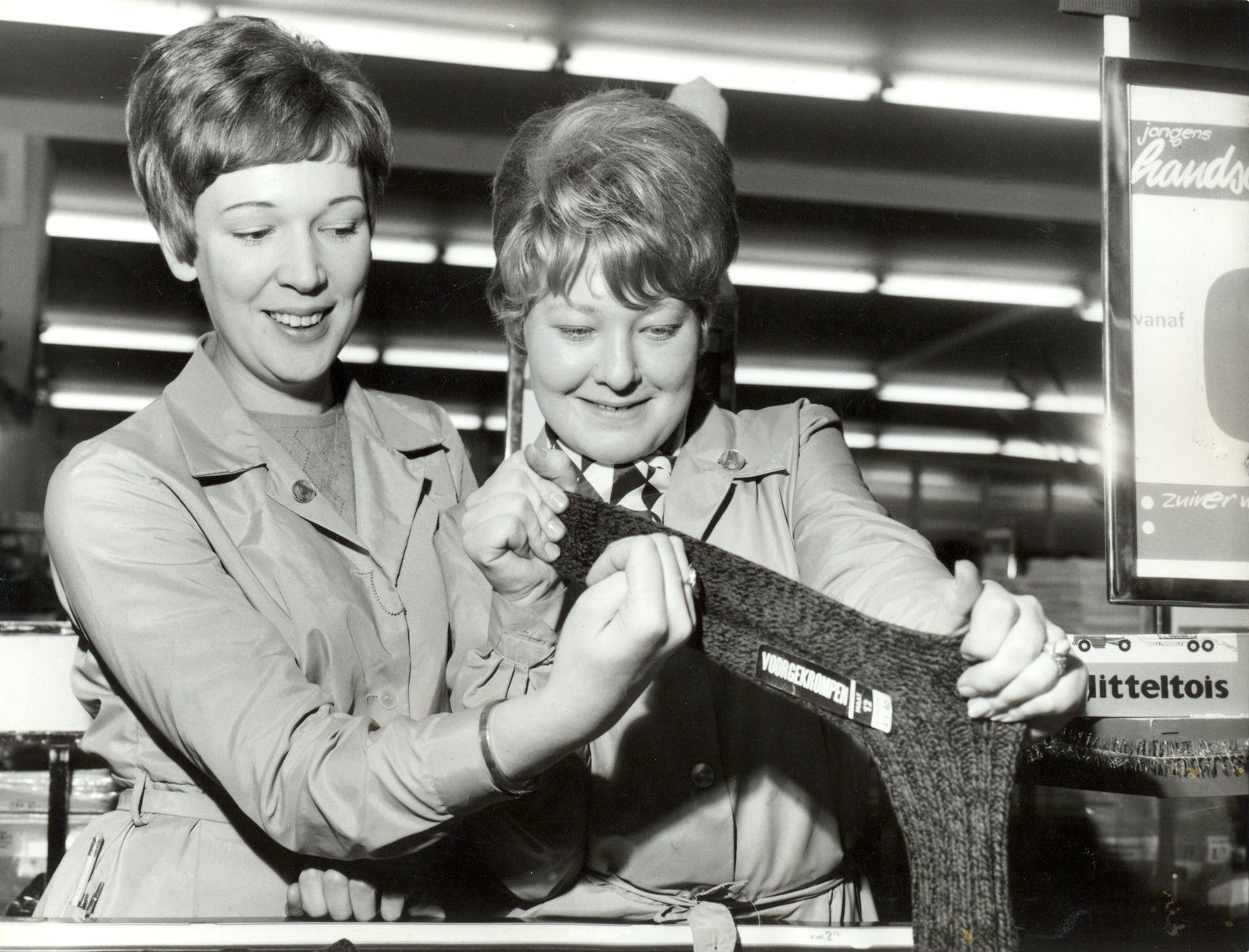
The exhibition takes visitors through a century of Dutch retail history and, above all, through a hundred years of everyday life. Few shops have become as closely woven into Dutch households as HEMA. Generations grew up with products that were practical, affordable and familiar, some of which have since become true design classics. The branches in Hoorn and the surrounding area are featured too. This month a second HEMA is even opening in Hoorn.
From fixed prices to Dutch icon
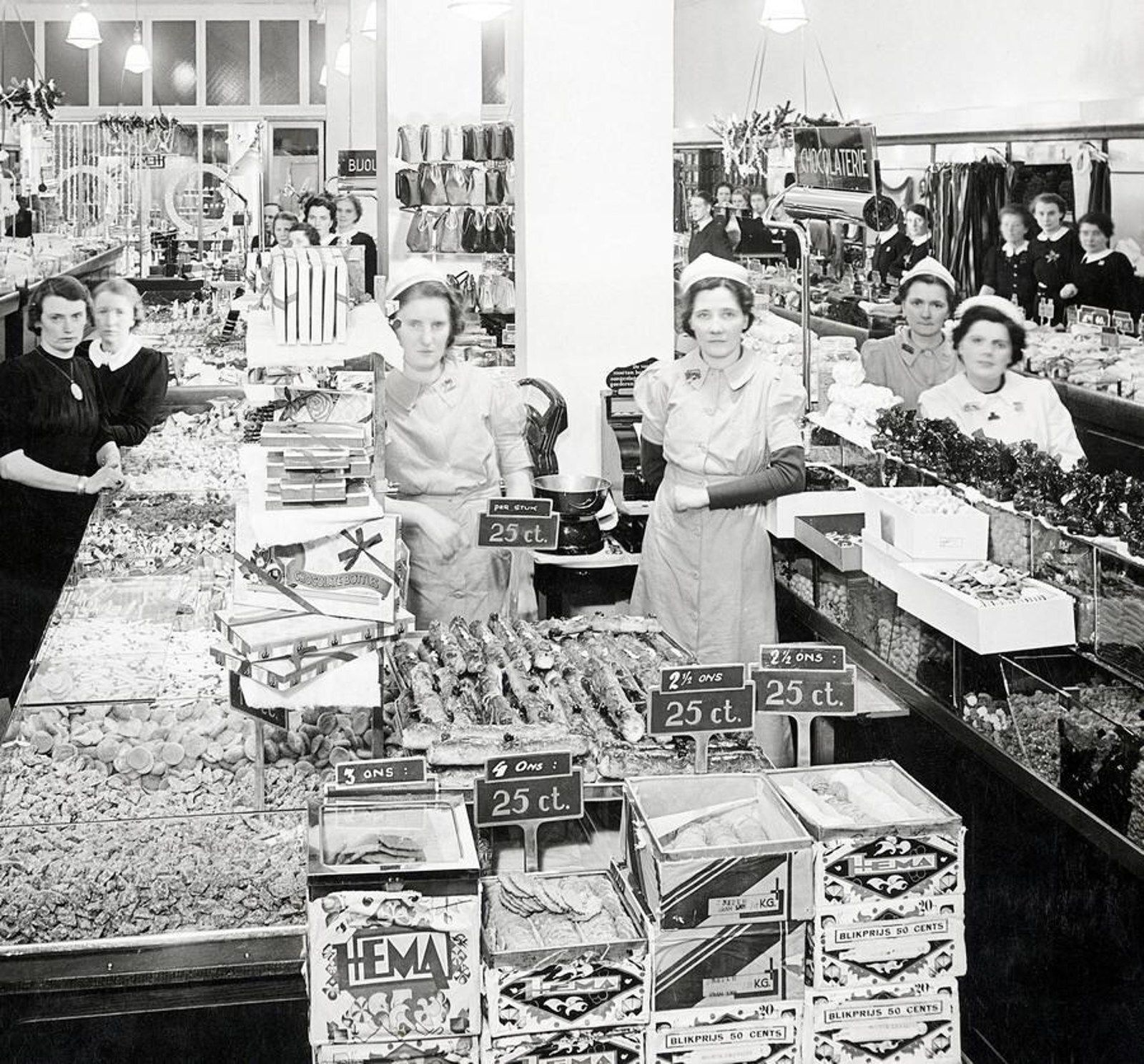
On 4 November 1926 the first branch of the Hollandsche Eenheidsprijzen Maatschappij Amsterdam (Dutch Fixed-Price Company Amsterdam) opened on the Kalverstraat in Amsterdam. A few days later a second shop followed on the Oude Hoogstraat. HEMA was intended as a department store for a broad public and initially sold its goods at fixed prices of 10, 25 and 50 cents.
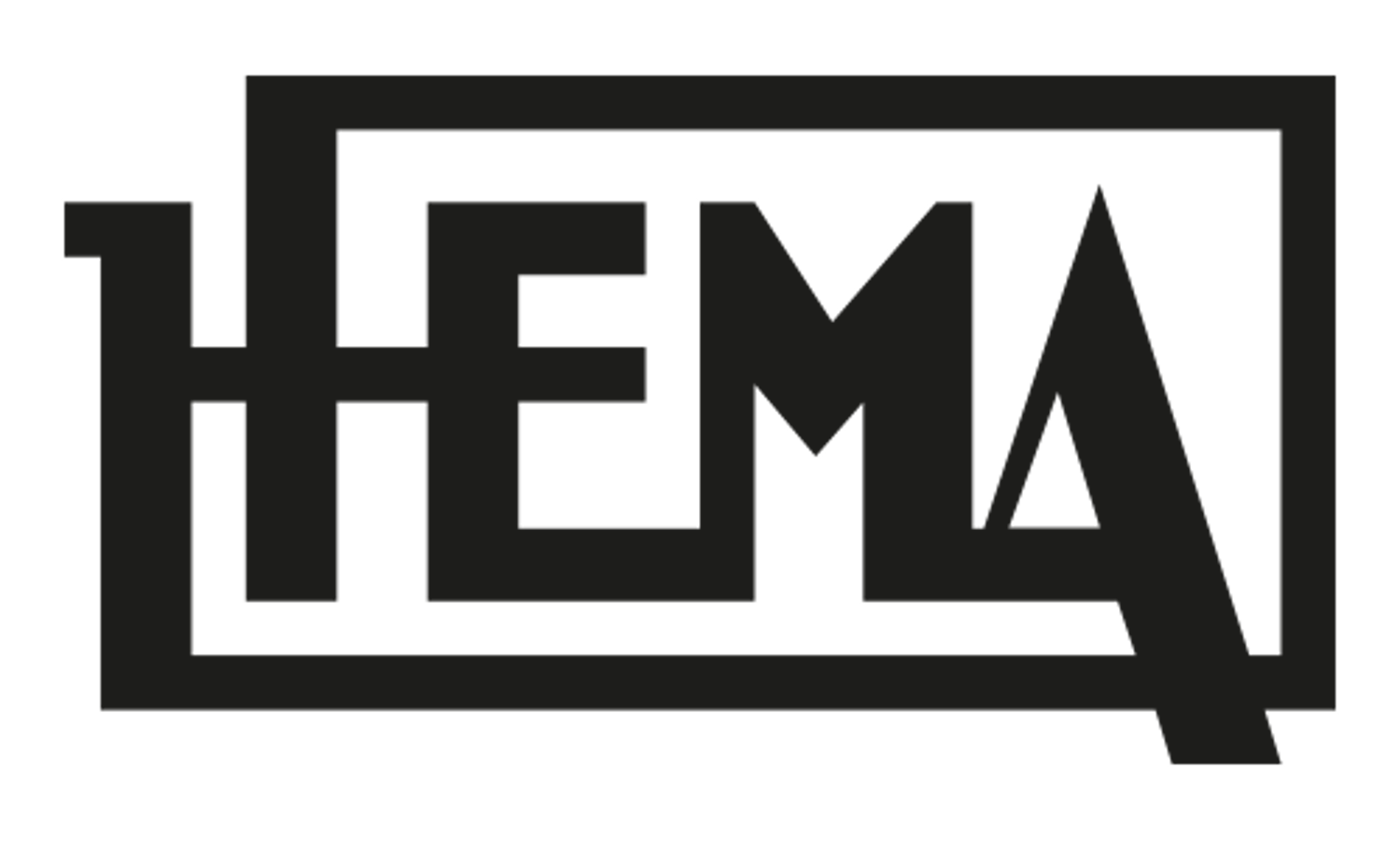
What began as two Amsterdam branches grew into a chain that earned a special place on Dutch high streets and in daily life. Its design changed constantly along the way. The evolution of the various HEMA logos – from Art Deco influences in the 1920s to the familiar red square – reflects almost a century of changing tastes and graphic design.
The exhibition in Hoorn tells that history through products, packaging, advertisements, shop displays, photographs and other familiar objects from different periods.
Tompouce and smoked sausage
Naturally, two of HEMA’s best-known icons are not missing. HEMA has been selling the tompouce since 1932. According to HEMA, around 14 million are now sold every year.
The smoked sausage has a remarkable history too. In 1936 a branch manager on the Nieuwendijk in Amsterdam had bought too many sausages for the restaurant. To avoid waste, they were heated up and sold as a snack. It proved a huge success, and the smoked sausage became one of HEMA’s best-known products.
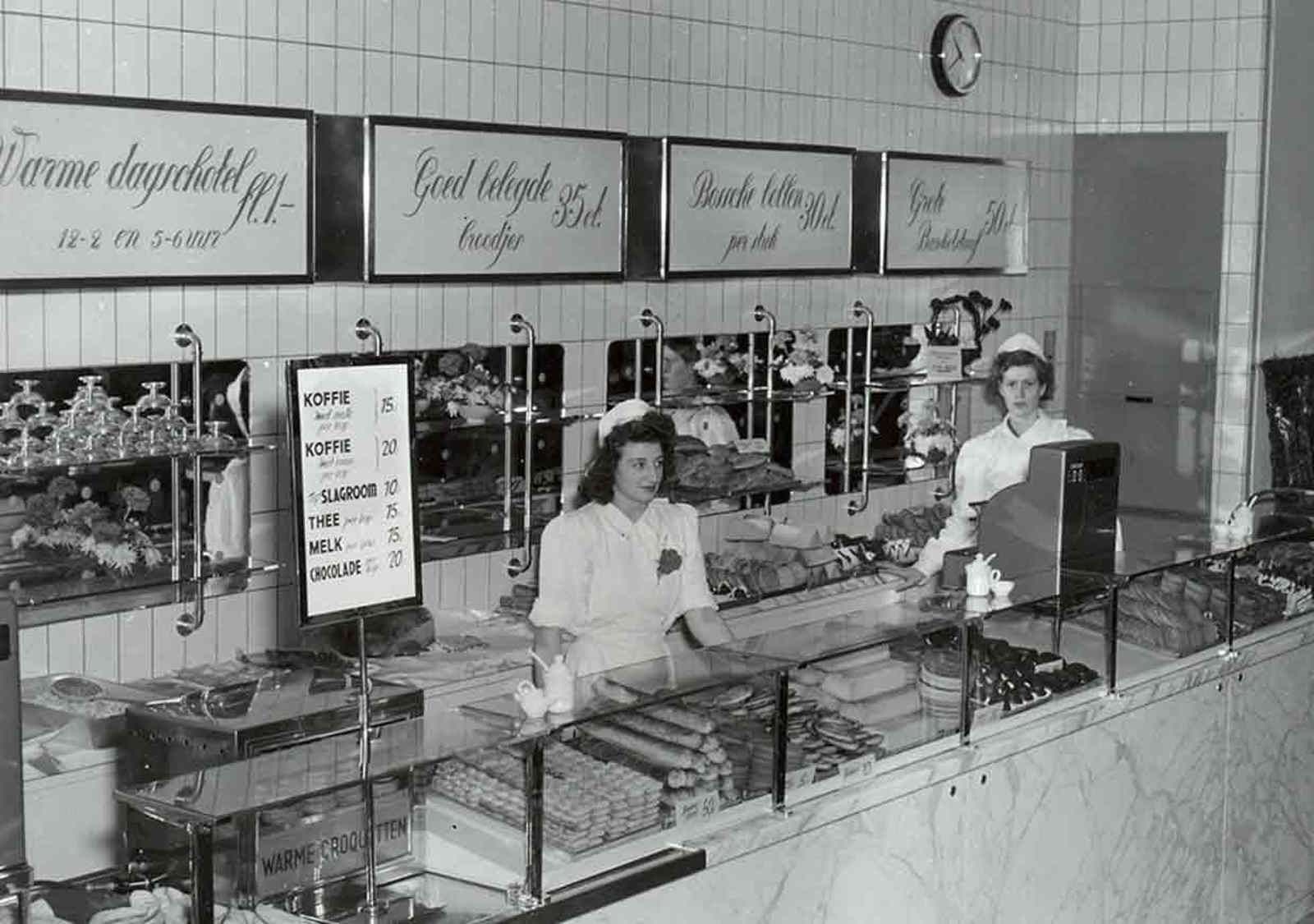
The restaurant has also been part of the HEMA story from the very beginning. In 1926 an affordable lunchroom in a department store was still something special. Coffee for ten cents, and later a complete hot meal for fifty cents, made eating out accessible to a much wider public.
From Miss Helen to Le Lapin
In the exhibition, visitors also discover former HEMA own brands. Especially from the 1950s onwards, the store introduced various own brands for cosmetics, clothing, electrical appliances and cleaning products, among other things. Miss Helen, for example, was a familiar name in the cosmetics department for many years, and cleaning products were sold under the HEMAX brand.
Design also came to play an increasingly important role. Since 1983 HEMA has run a design competition for fashion and product design students. A well-known result is the Le Lapin whistling kettle by designer Nikolaï Carels, winner of the 1989–1990 edition. According to HEMA, more than 200,000 of this eye-catching kettle, whose shape is reminiscent of a rabbit, were sold.
From 1993, Fiep Westendorp’s Jip & Janneke illustrations also appeared on HEMA products. What started with a few toiletries grew into a large range, from bedding and toys to crockery and clothing.
HEMA as a mirror of the Netherlands
The exhibition shows not only how HEMA changed, but also how the Netherlands changed. Products from different decades tell us something about home life, food, fashion, parenting, leisure, festivities and consumer behaviour.
What did a HEMA shop look like in the past? Which products did people have at home? Which packaging do we recognise instantly? And why have some very ordinary household objects turned into nostalgic collectables decades later?
In this way “100 jaar HEMA” ties in closely with the story the Museum van de 20e Eeuw has been telling for more than thirty years. Through interiors, household objects, toys, shop fittings and means of communication, the museum shows how everyday life in the Netherlands changed enormously in a short space of time.
A trip down memory lane for several generations
For older visitors, the exhibition will bring back many memories of shops and products from their childhood. Younger visitors will discover things that their parents and grandparents took for granted.
It is precisely this meeting of generations that makes the exhibition special. A piece of packaging, a toy, a coffee cup or a shopping bag can suddenly bring a whole story to mind.
HEMA itself describes its anniversary as “100 years of love for everyday life”. That everyday life is also the common thread running through the exhibition in Hoorn.
“100 jaar HEMA” is on show at the Museum van de 20e Eeuw in Hoorn from 1 October 2026 to 4 April 2027.