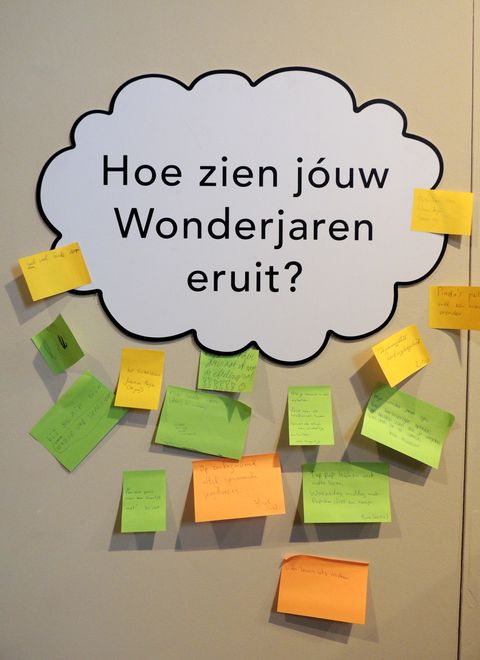
Enthusiastic visitors at ‘De Wonderjaren’ (The Wonder Years)
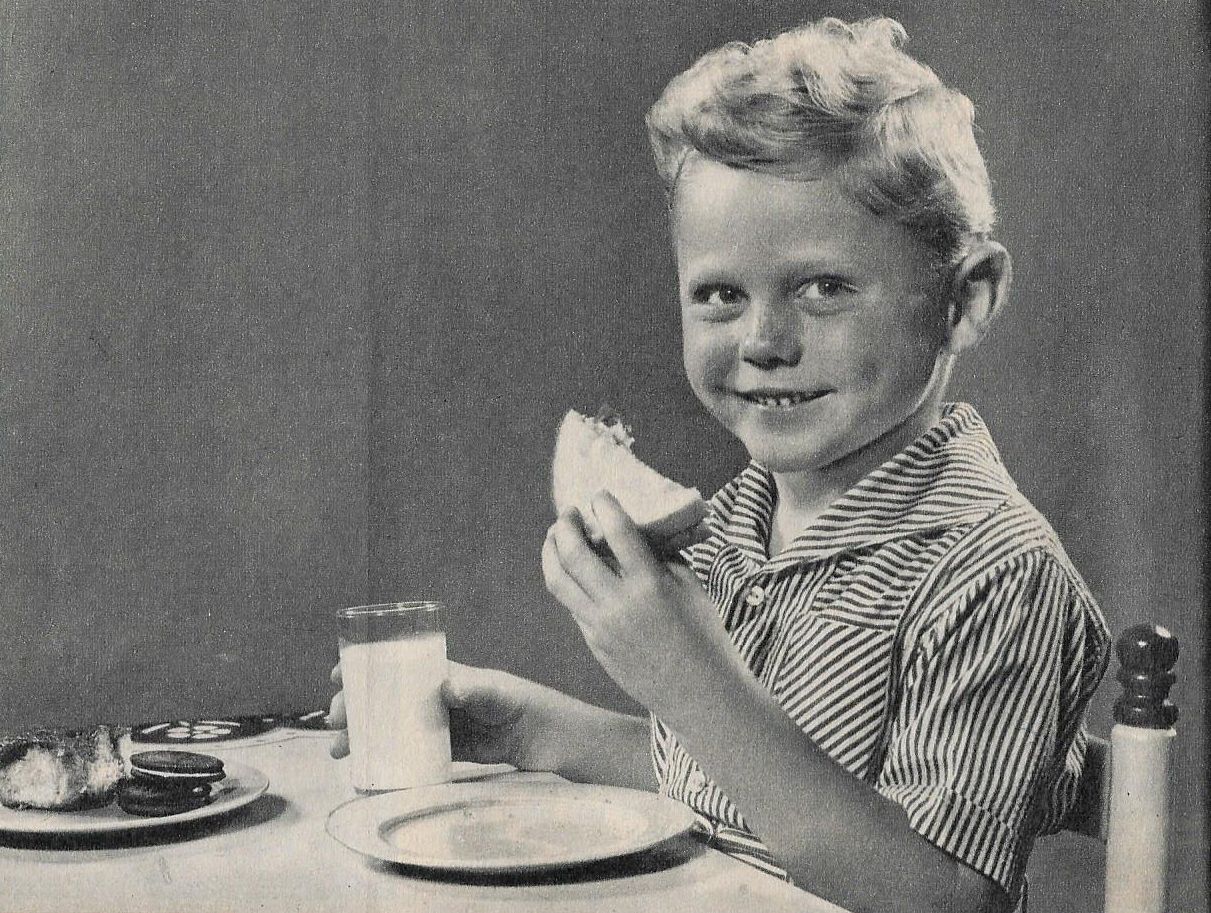
Visit the exhibition 'De Wonderjaren' (The Wonder Years) with family and/or friends and do the FamilieKwis (Family Quiz) on the AudioTour. Dive into the past of grandma, mum and the rest of the family when you visit the nostalgic Museum van de 20e Eeuw (Museum of the 20th Century) in Hoorn.
Young and old alike enjoy themselves at the Museum van de 20e Eeuw. That is clear from the many lovely reactions to this exhibition. The new FamilieKwis is also much appreciated.
Exhibition ´Wonderjaren fifties en sixties’ (Wonder Years: the Fifties and Sixties)
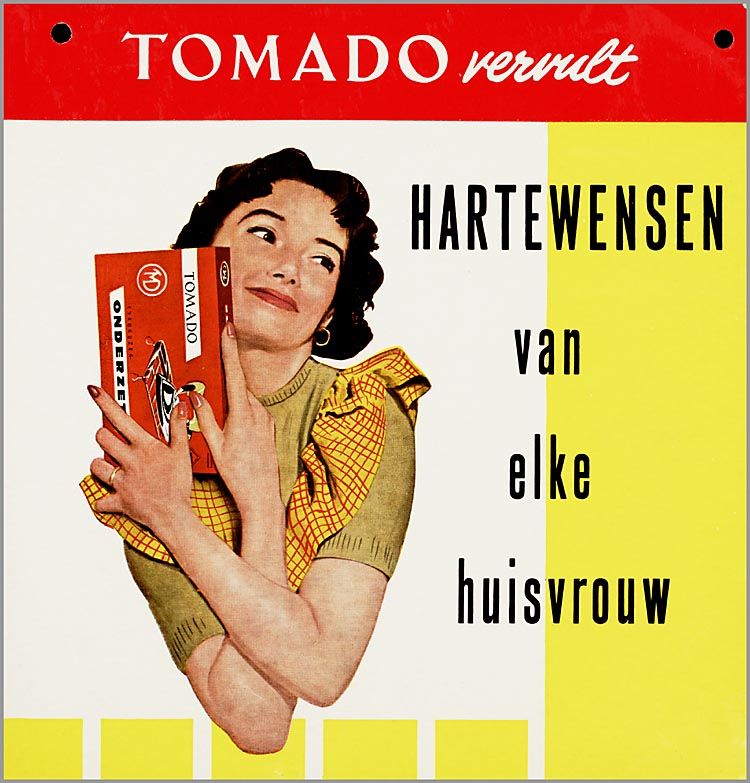
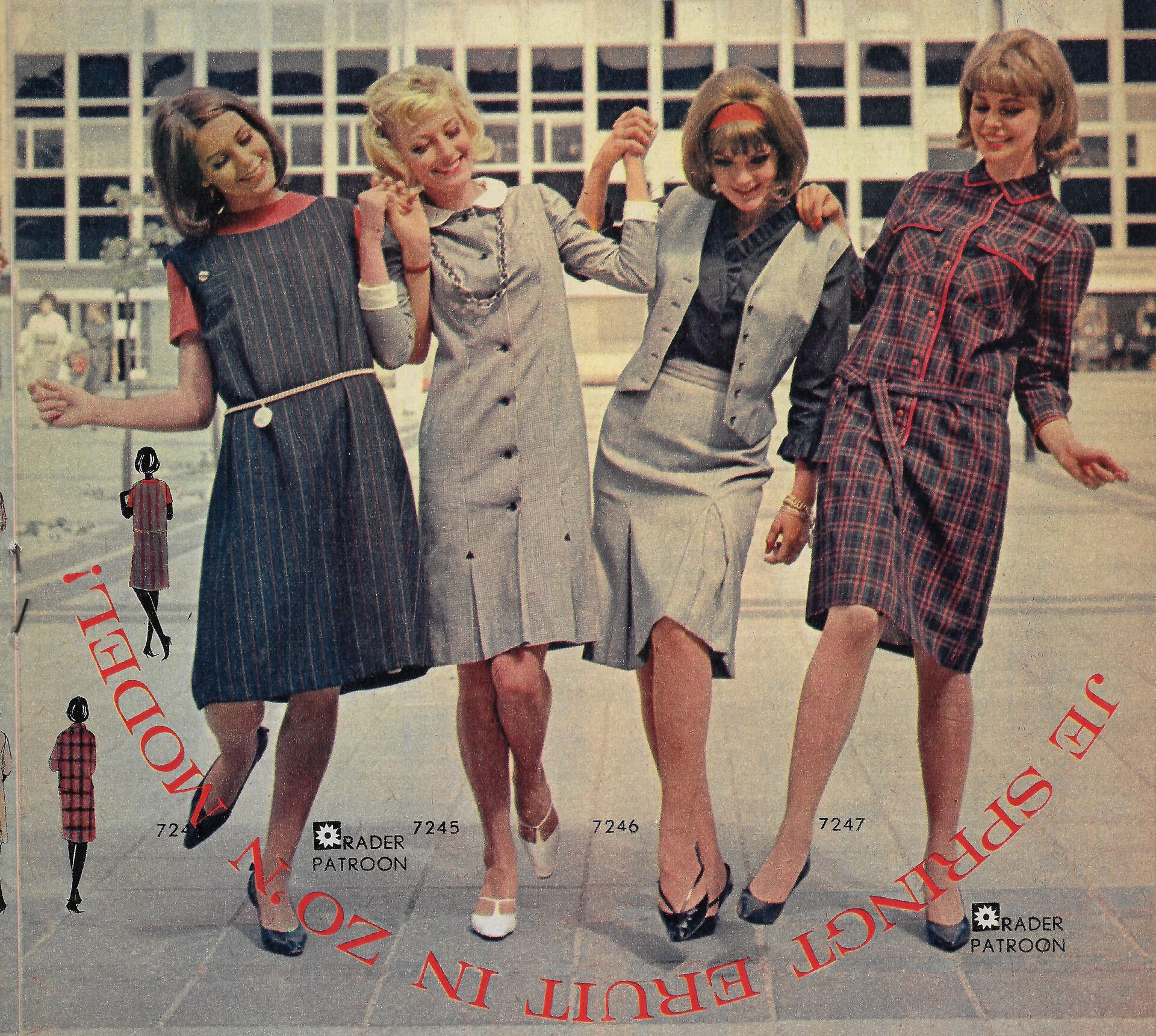
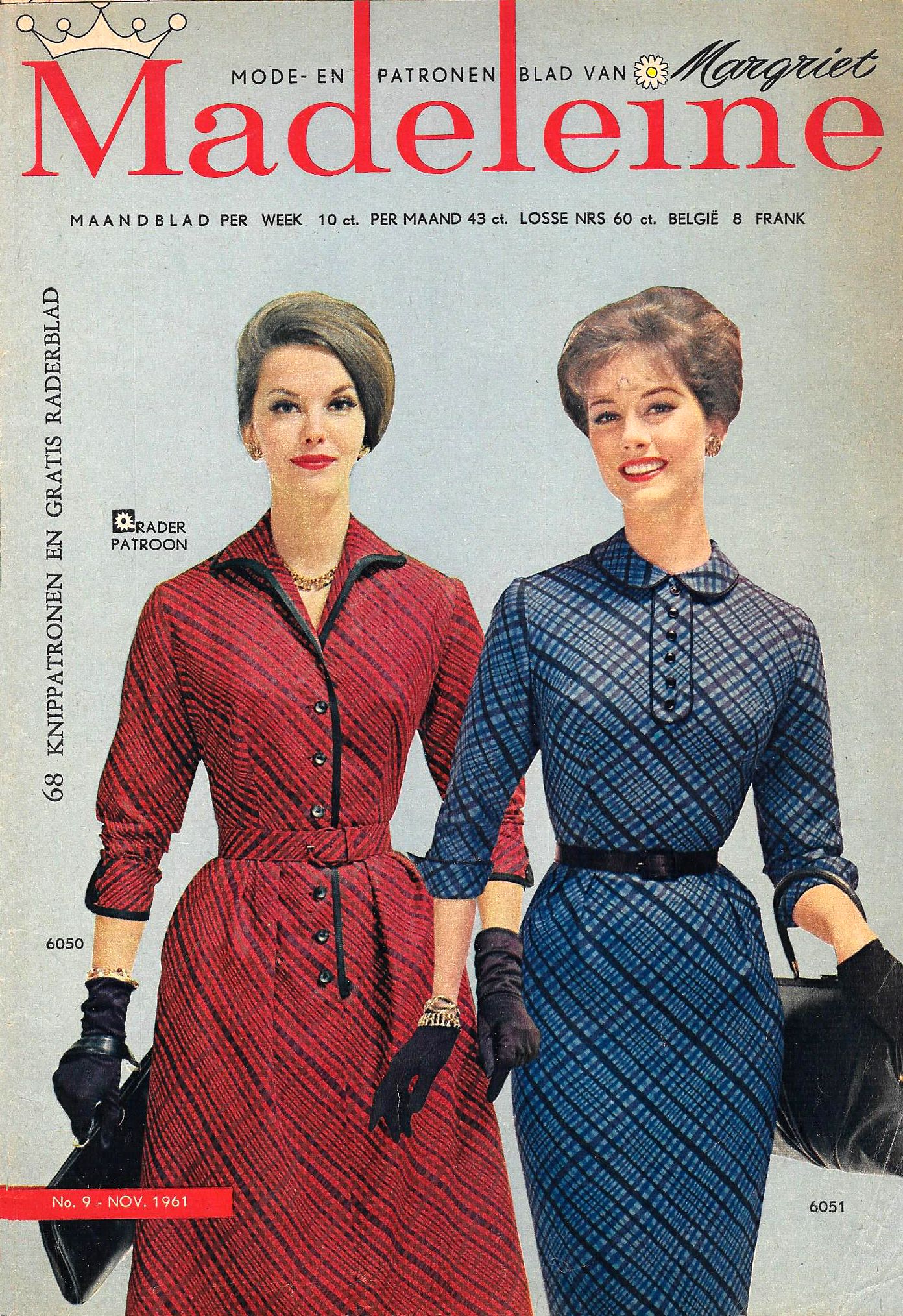
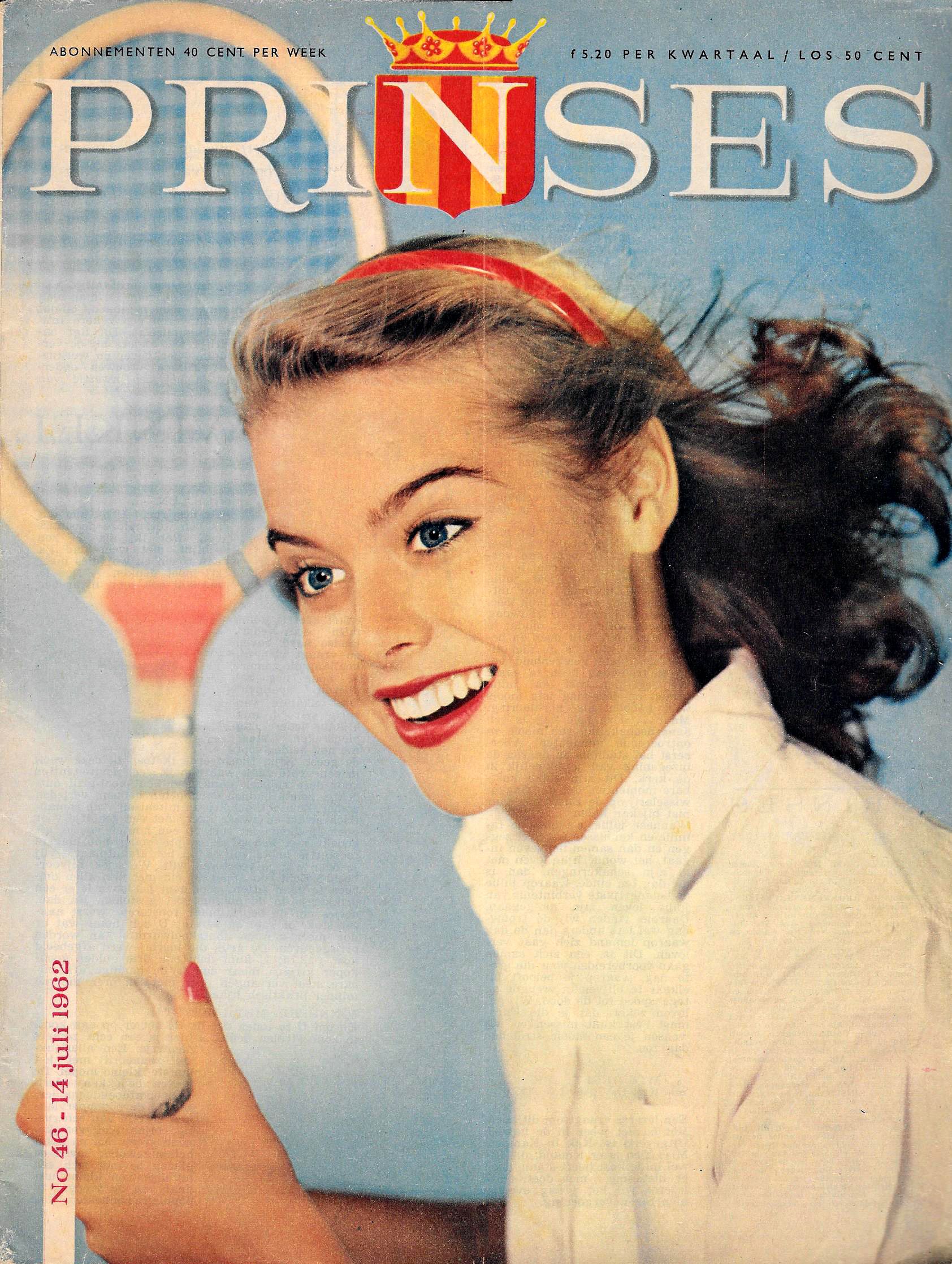
For a great many people, the fifties and sixties are still the years that most capture the imagination. These are the years in which life changed radically. Years of freedom. Victorian stiffness finally disappeared for good. The times of rock ‘n’ roll, the Marshall Plan, pillarisation (the Dutch division of society along religious and political lines) and space travel. But the fifties and sixties were also times of warm summers, playing in car-free streets and spitting into the coal stove. That is the personal world of ordinary people. The exhibition 'Wonderjaren fifties en sixties’ sheds light on both sides of these turbulent and yet also peaceful years.
History writing is usually about the 'big events'. The changes, wars, social unrest, the first man on the moon, a naked woman on TV. What is often overlooked is the everyday world of ordinary people. What a normal day looked like, what people ate and thought, how they worked. That is history too. And a very important part of it at that.
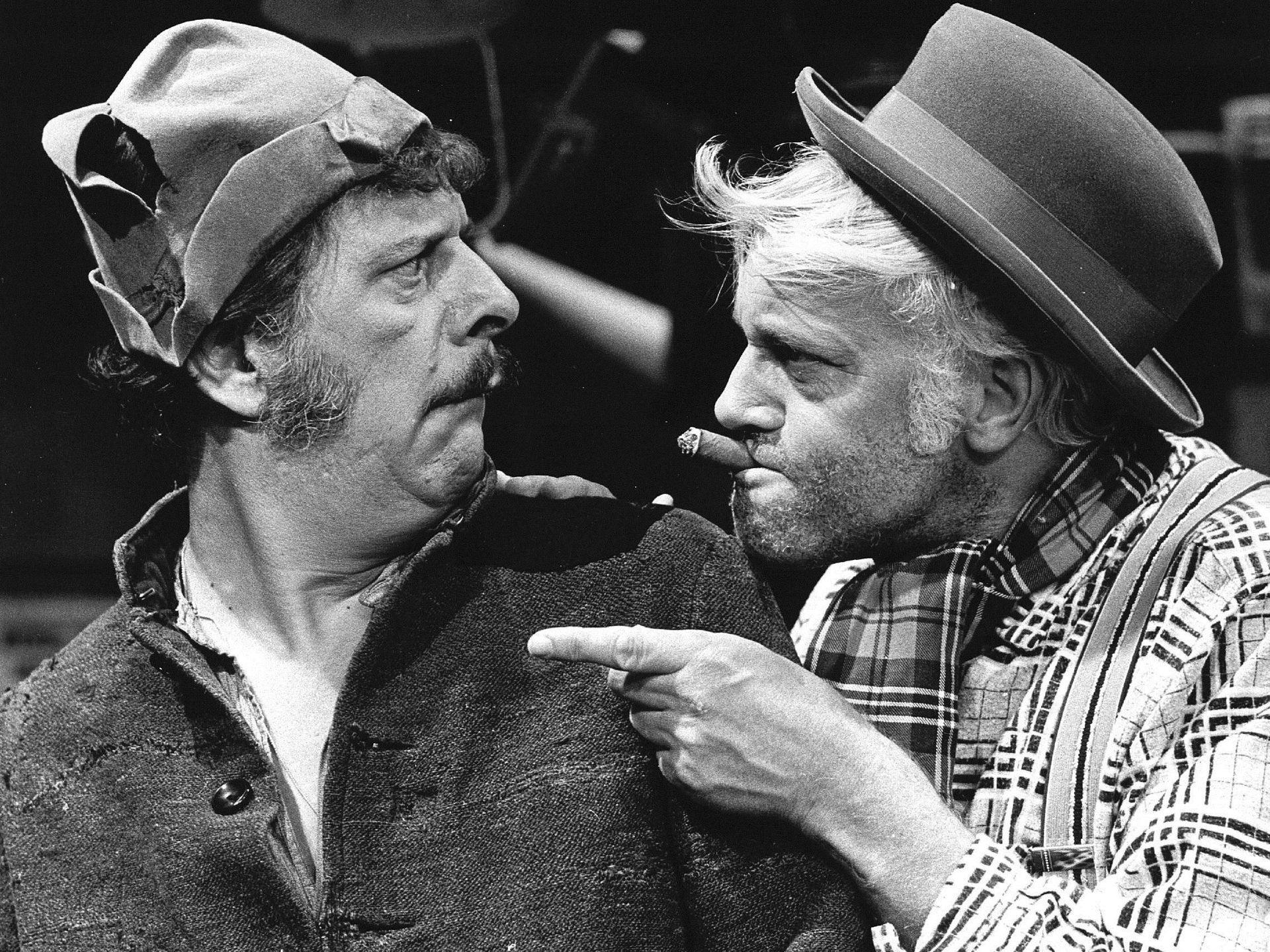
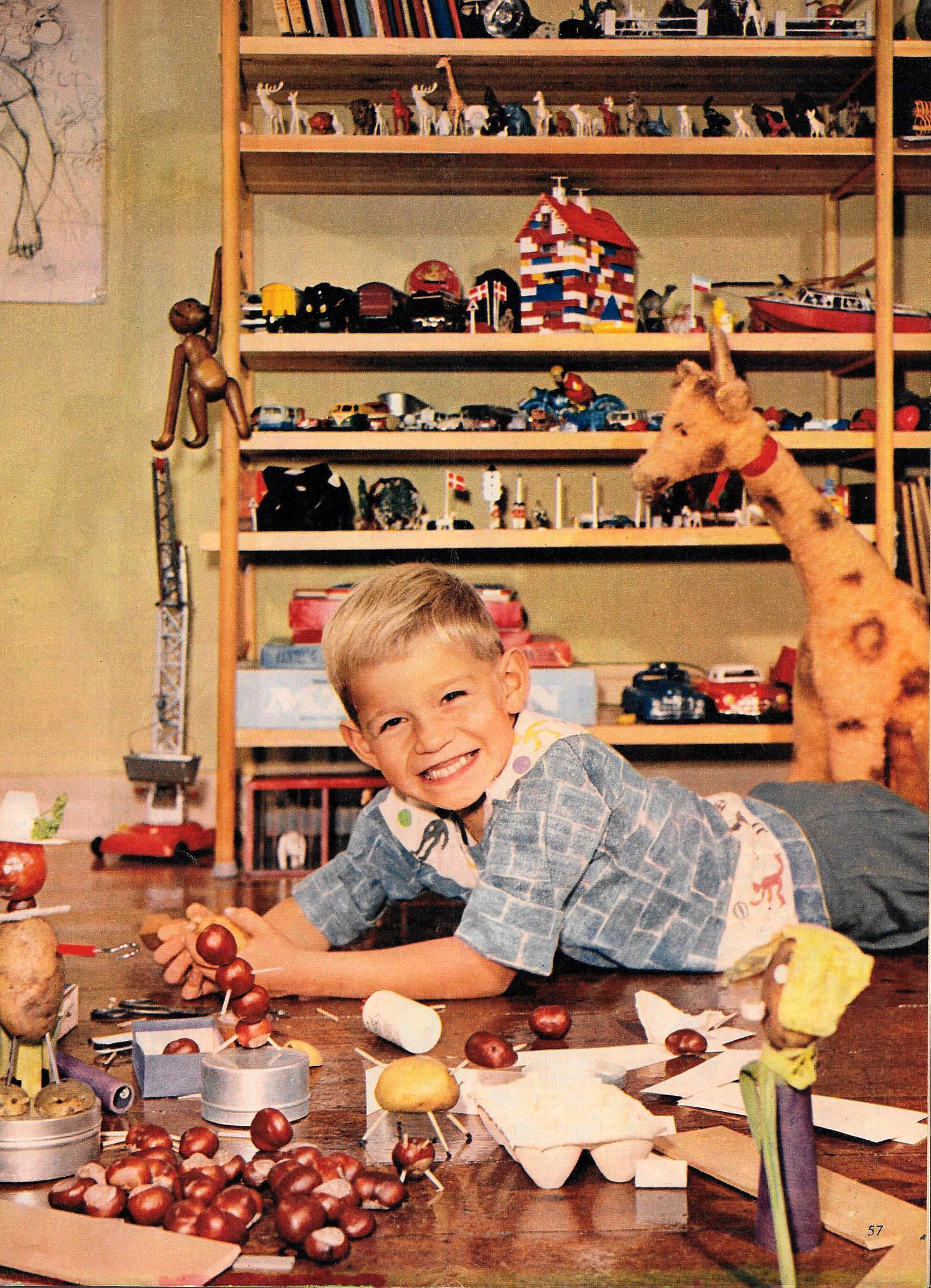
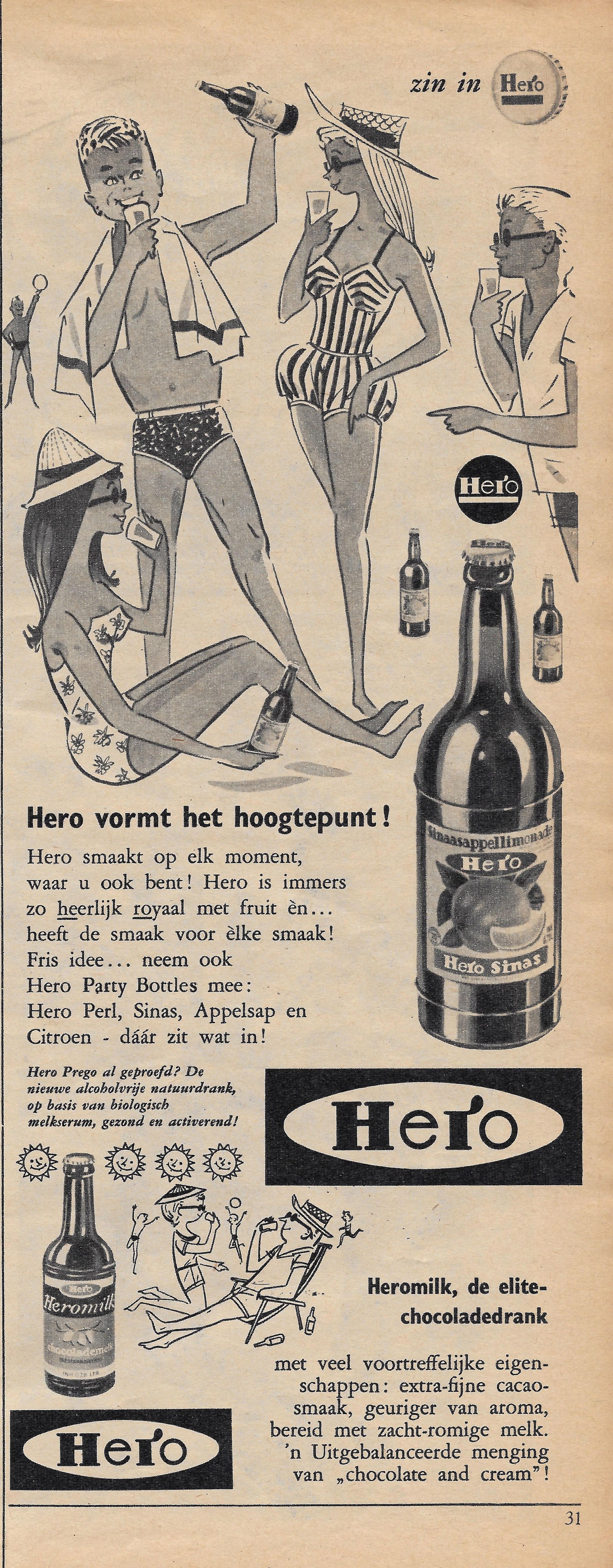
The exhibition 'Wonderjaren fifties en sixties' at the Museum van de 20e Eeuw focuses precisely on daily life. It's about watching black-and-white films on a Sunday afternoon in a little hall next to the church. And about the Punch and Judy show on Dam Square. And about how, when you went to the beach, you wore knitted swimming trunks that itched terribly. About collecting badges, the radio stations broadcasting from boats in the North Sea, about toys. Post-war Netherlands was a time full of changes and innovations, but for many it was also a time full of lovely and still very vivid memories.
Oddly enough, the fifties and sixties, known as years of progress, were also years in which many people in fact still lived as in earlier centuries. Many people did not yet have a fridge, a washing machine or a telephone. Now that is almost unthinkable. People still had a coal stove. And with it came the coalman, who delivered the coal in jute sacks and tipped it into the coal shed. The milkman and the baker also still came to the door in those days. Because there were so few cars, you could simply play in the street. That was no problem at all.
Not that life was completely carefree: the threat of nuclear war was great and discipline at school was often strict and sometimes violent. But in people's memories the good things prevail. The always-warm summers, the boundless freedom and the simple happiness. The exhibition ‘Wonderjaren fifties en sixties’ sheds light on both sides of the post-war years.
The exhibition ‘Wonderjaren ’50 en ’60’ can be seen until 2 October 2016 inclusive at the Museum van de 20e Eeuw in Hoorn.